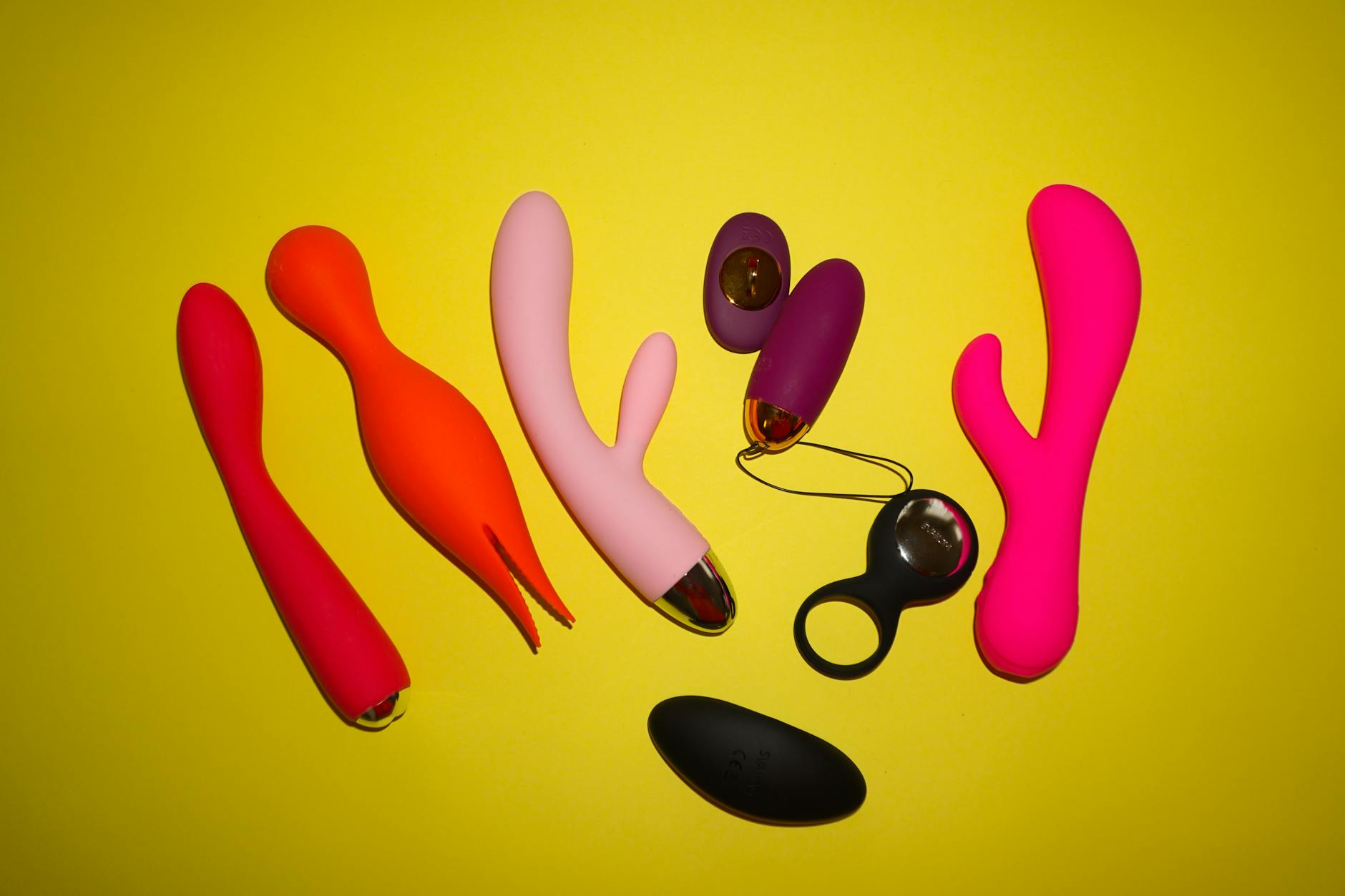
Lemon vibrators work differently on postmenopausal tissue. Here's why that matters.
Let's be real: after menopause, a lot of what worked before stops working the same way. Traditional vibrators that felt perfect at 35 might feel too intense or uncomfortable at 55. But before you assume your pleasure days are behind you, here's the thing. The right tool changes everything. Lemon clitoral vibrators, which use air suction instead of direct vibration, were actually designed for this exact shift. Understanding why takes five minutes. Using this knowledge transforms months or years of sex.
The tissue changes are real. Estrogen drops, which means the vulva and vagina become thinner, drier, and more sensitive to direct friction. That's not a flaw in your body. It's a signal that you need a different approach. Most people don't know this, which is why they assume menopause means the end. It doesn't. It means a recalibration.
What changes in tissue after menopause
Estrogen is the architect of genital tissue. When it drops, several things happen simultaneously. The epithelium (the top layer of skin inside and on the vulva) thins. Blood flow decreases slightly. The vaginal canal produces less natural lubrication. The pelvic floor muscles lose some elasticity and tone. These aren't minor tweaks. They're structural changes that alter sensation and what feels good.
Here's what doesn't change: the clitoral nerve density, your capacity for pleasure, or your ability to orgasm. The clitoris itself is less affected by estrogen loss than the surrounding tissue. This matters because it means the pathway to satisfaction is still there. The route just needs adjustment.
Postmenopausal tissue is also more reactive to pressure than before. Direct vibration that was pleasant can feel jarring or even uncomfortable. You might notice that certain patterns that used to work now feel too aggressive. This isn't weakness. It's sensitivity. And air suction vibrators, including lemon sexual toys like the Lem, work with this sensitivity rather than against it.
Why air suction feels different on sensitive tissue
A traditional vibrator stimulates through rapid back-and-forth motion against the skin. It creates friction. Air suction works on an entirely different principle. Instead of friction, it creates a rhythmic pulse and gentle seal that stimulates nerve endings without the same mechanical pressure.
Think of it this way: a traditional vibrator is like a drummer tapping on a cymbal. Air suction is like someone gently cupping their hand over your ear and creating slight pressure changes. The sensation is completely different because the mechanism is completely different.
For postmenopausal bodies, this distinction is huge. Thinner tissue means friction can feel raw or irritating. But suction stimulates the same nerves with less direct pressure. Studies on air pulse devices show they activate clitoral nerve endings as effectively as vibration, sometimes more so, but without the same risk of irritation or numbness over time.
The Lem and other lemon clitoral vibrators operate on this principle. They're not just gentler. They're actually more efficient at the neuromuscular level for sensitive tissue. Many women who've tried lemon vibrators report their first strong orgasms in years come from these devices.
Lubrication becomes essential but different
Before menopause, your body probably produced enough natural lubrication to make most toys comfortable. After, you'll almost certainly need external lube. This is normal. It's not a sign of dysfunction or loss of desire.
Here's the part most guides miss: your lube choice matters more now. Water-based lubricants work best with lemon adult toys because silicone-based lubes can degrade silicone material over time. Water-based lubes also absorb into thinner tissue differently, providing longer-lasting glide without that slick film feel.
The volume of lube also changes the sensation profile. More lube means less friction and more glide. Less lube means more suction engagement. For postmenopausal bodies exploring air suction for the first time, starting with generous lubrication and then adjusting down once you find your comfort zone works well. The lube isn't masking anything. It's creating the right conditions for the tool to work.
Arousal takes longer. That's the setup, not the problem.
One consistent shift after menopause is arousal speed. Where you might have been ready in five minutes at 40, you might need 15 or 20 at 60. Most people treat this as a deficit. I treat it as information.
Slower arousal means longer foreplay. Longer foreplay means more blood flow to genital tissue, which makes it fuller and more responsive. Slower arousal also gives you time to actually be present, to notice what feels good, and to communicate. If you've been in a relationship for decades, this transition often creates space for genuine reconnection instead of routine.
With air suction vibrators, the longer warm-up also lets your tissue prepare for stimulation. Starting at lower intensity settings (pattern 1 or 2 on the Lem) during that extended arousal phase allows your body to acclimate. By the time you increase intensity, you're already responsive and comfortable.
If you're partnered, this is also worth naming. "I want us to spend more time together on this" is a different conversation than "my body isn't working right." Most postmenopausal people report that partners actually prefer the slower pace once they understand it's not rejection, it's invitation.
Starting with air suction if you've only used traditional vibrators
Transitioning from a traditional vibrator to an air suction device takes about three sessions to feel natural. Your body needs time to register the new sensation pattern. This is completely normal.
Start with the device off and explore how the cup feels against your skin. Let your body remember what suction sensation feels like without the stimulation component. Then turn it on at the lowest setting with plenty of lubrication. You might feel almost nothing the first time. That's fine. It means you're starting at a safe intensity.
Over subsequent uses, increase the pattern or intensity slightly. You're teaching your body a new language of pleasure, not debugging a malfunction. Most people report that once the adjustment period passes, they prefer air suction for postmenopausal tissue because the sensation is more nuanced and less likely to cause that numb, desensitized feeling that traditional vibrators sometimes create over time.
If you're exploring lemon clitoral vibrators specifically, the positioning matters. The cup needs to form a seal with your body, which means placement and angle are part of the learning curve. This isn't difficult. It's just slightly different than the on-and-point approach of traditional vibrators.
Partner communication shifts when your body shifts
If you're partnered, the postmenopausal transition is also a relationship transition. Some people navigate this beautifully. Others struggle because they're not talking about what's actually changing.
Here's what I tell couples in my practice: separate the logistics from the intimacy. The logistics are real and solvable. You might need lube. You might need more time. You might prefer certain positions or stimulation approaches. These are facts, not rejections. The intimacy conversation is different. It's about connection, desire, and mutual pleasure. Confusing the two turns both conversations into minefields.
When you bring an air suction lemon vibrator into a partnered dynamic, it's worth framing it as exploration, not replacement. "I want us to try this together" opens a door. "I need this because my body changed" can feel defensive. Same reality, different energy.
Some couples find that postmenopausal pleasure actually deepens because the focus shifts from performance to presence. Slower pace, more communication, more permission to ask for what actually feels good. These are intimacy upgrades, even if they arrive wrapped in hormonal change.
When to add vaginal hydration or other support
If you're noticing persistent dryness, irritation, or uncomfortable sensations even with lube and air suction, talk to a healthcare provider. Genitourinary syndrome of menopause (GSM) is common and treatable. Topical vaginal estrogen, moisturizers, and other interventions can make a real difference.
Some people benefit from vaginal hydration products used 2-3 times weekly as preventative care. Others need topical estrogen only. Some need both. This isn't a failure of air suction vibrators or your body. It's information that your tissue needs additional support during this transition.
The good news is that lemon vibrators often become more enjoyable once you've addressed any underlying tissue concerns. You're not choosing between vibrators and medical support. You're layering approaches.
The pleasure expansion that happens after menopause
I'll be honest: I didn't believe the research until my clients started reporting it. Post-menopausal people often describe the most intense, complex, and satisfying orgasms of their lives after 50. The mechanism is probably multi-layered: freedom from fertility concerns, deeper body knowledge, less performance pressure, better tools, and sometimes the neurological shift that comes from hormonal change itself.
Air suction vibrators like lemon clitoral vibrators seem to unlock something for postmenopausal bodies specifically. Maybe it's because they don't overstimulate sensitive tissue. Maybe it's because they create a different orgasm profile. Whatever the reason, the pattern is consistent enough that I recommend them specifically to clients navigating this transition.
Your pleasure doesn't end at menopause. It transforms. And the transformation is often richer than what came before, if you're willing to explore it with curiosity instead of grief.
FAQ
Can air suction vibrators irritate postmenopausal tissue?
When used correctly with adequate lubrication and at appropriate intensity, air suction vibrators are actually gentler on postmenopausal tissue than traditional vibrators. The mechanism doesn't rely on friction, which is what typically causes irritation. Start at lower intensities and use generous lubrication. If you experience any discomfort, check that you have a proper seal and that you're using enough lube. If irritation persists, see a healthcare provider to rule out GSM or other tissue concerns.
How long does it take to adjust to air suction stimulation?
Most people feel comfortable with air suction devices within 3-5 sessions. Your body needs time to recognize and respond to the sensation pattern, which is different from traditional vibration. This adjustment period is completely normal and doesn't indicate any issue with the device or your body.
Do lemon vibrators work better than other air suction devices for postmenopausal bodies?
Lemon clitoral vibrators are designed with postmenopausal tissue in mind, featuring gentler suction patterns and flexible intensity levels. That said, the best air suction device is the one that feels right to your body. Some people prefer the Lem's specific pattern range. Others prefer different brands. The principle is the same: air suction is gentler and often more effective than traditional vibration for sensitive postmenopausal tissue.
Should I use different lube for air suction versus traditional vibrators?
Water-based lubricants are best for all silicone toys, including lemon sexual toys. Silicone-based lubes can degrade silicone materials over time. Some people find that water-based lubes feel lighter on postmenopausal tissue, while others prefer the slicker glide of hybrid lubes. Experiment to find what works for your body.
Is it normal for arousal to feel different with air suction vibrators?
Completely normal. Air suction creates a different sensation pathway than traditional vibration. Your arousal might build differently, and your orgasms might have a different quality or intensity. This is variation, not dysfunction. Most people report they prefer the more nuanced sensation once they adjust to it.
Can I use a lemon clitoral vibrator if I have vulvodynia or other chronic pain conditions?
Air suction vibrators are often recommended for people with vulvodynia because they avoid direct friction. That said, every body is different. Start at the lowest settings, use plenty of lube, and pay attention to your body's response. If pain occurs, stop and consult a pelvic floor specialist or healthcare provider. You deserve pleasure without pain, and the right tool and professional support can make that possible.
Postmenopausal sex isn't a consolation prize or a diminished version of what came before. It's a completely different experience, and often a better one. Air suction lemon vibrators are tools designed for this phase of your life. They work with your tissue, not against it. Your pleasure matters, now more than ever.